From a Facebook group to 800,000+ learners and teachers: what I learned as a founding engineer
— Startups, Product, Engineering — 7 min read
When I joined Sohopathi in October 2020, it had a community, a seed investment, and almost no product. The CEO later said it more plainly than I would: "We did not have a proper operation in September 2020."
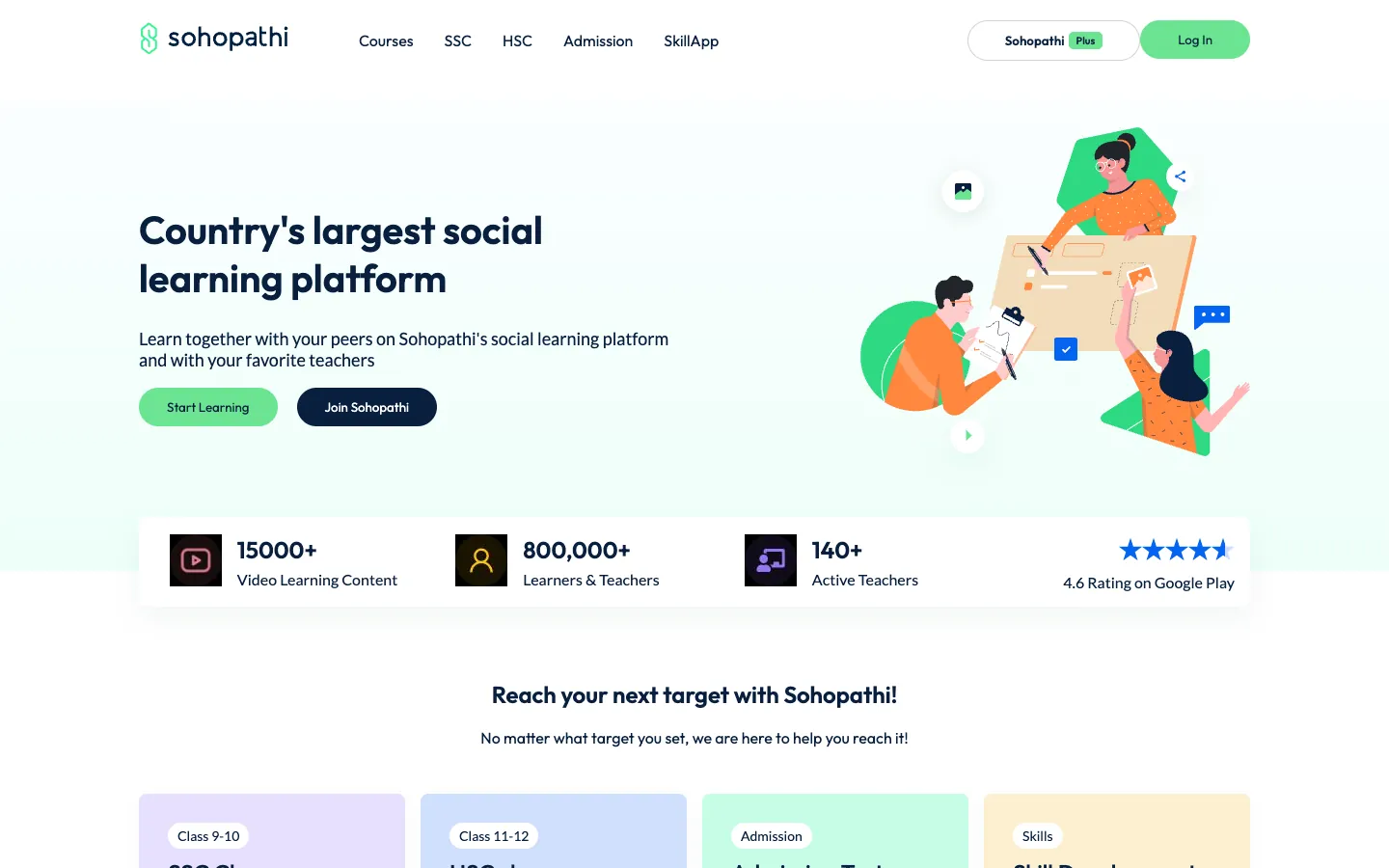
By February 2023, sohopathi.io listed 800,000+ learners and teachers.
I left in March 2023. Here's what I saw from the inside, and which part of it was actually mine.

A community, not a product
Sohopathi started in 2017 as a Facebook group. Students from BUET and MIST answered study questions posted by other students. There was no app, only people helping each other.
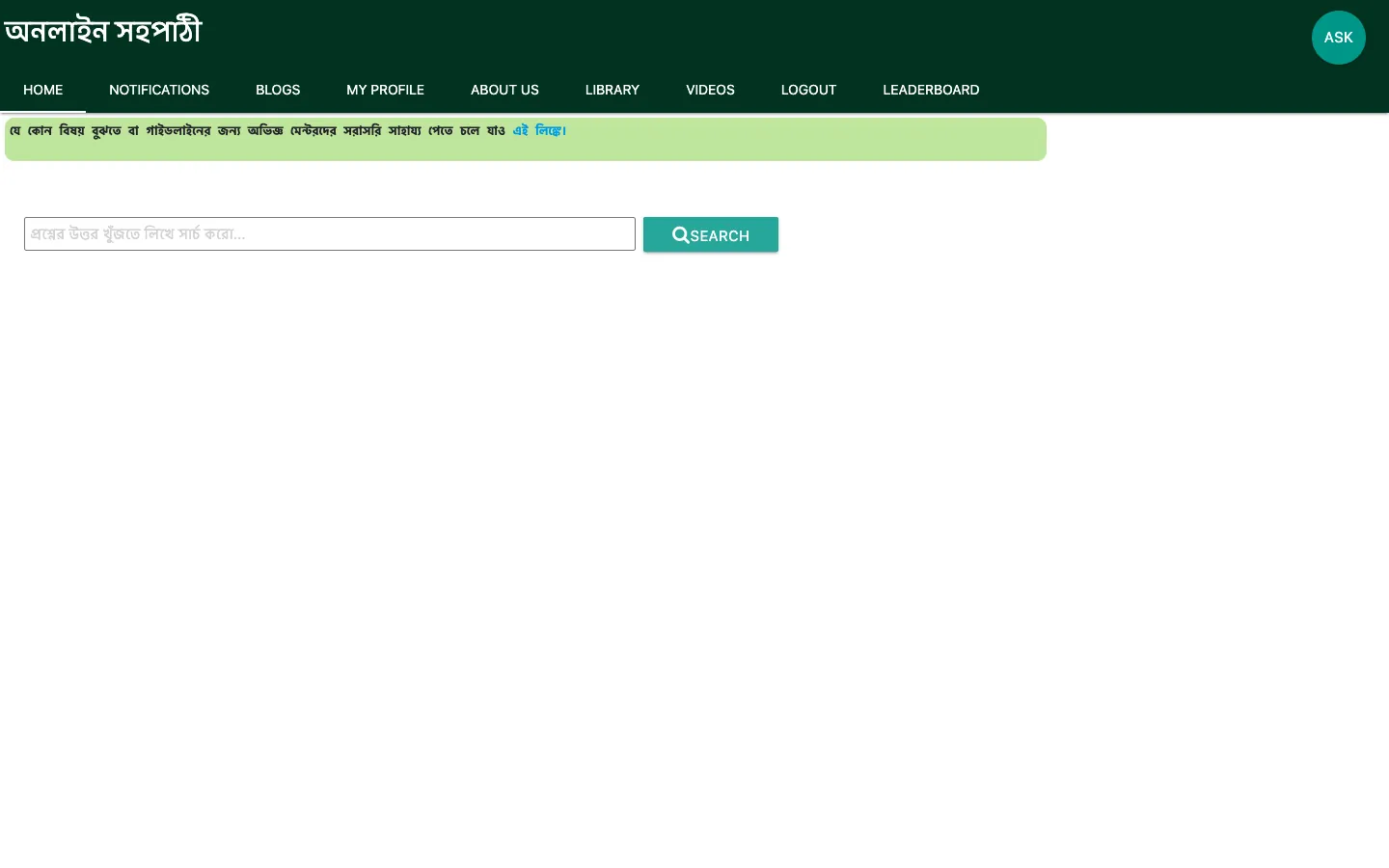
By 2019 it had its own site, onlinesohopathi.com, with the tagline "Keep Asking, Enjoy Learning." Students had asked about 15,000 questions. There was also a paid service for talking to a mentor directly.
In September 2020 the TigerIT Foundation put in seed money. A month later I joined as founding software engineer.
So there was a community that trusted the name, and a mentor service people already paid for, with a person handling every step. The new web app, mobile app and API didn't exist yet. My job was to design the backend architecture for a web app and a mobile app, define the API specifications, and lead backend development. I started from an empty page.
A community is not a product. But it's the part you can't fake, and Sohopathi had it before I arrived.
The first thing we shipped
In November 2020, a month after I started, the new web app went live.
It was a long way from the full platform. That was fine. Shipping something real early gave the community somewhere new to go, and we started learning from actual students instead of our own guesses.
By February 2021 the rebuilt site had courses, mentors, campaigns, Q&A and a video library. The community was the same. The product around it was much bigger.
From a manual service to self-serve
The paid mentor service proved students would pay. It couldn't grow far, because every sale needed a person in the loop.
By October 2021 students could buy a course, pay online and start learning without talking to anyone at the company. Sohopathi also had an online exam product for educational institutions. The CEO, Shadman Majid, told Future Startup that Sohopathi had 3,500+ recurring paid users and a community of 200,000, with 60% of users outside Dhaka.
That last number is the one I think about. Most of those students were nowhere near the capital. Self-serve meant a student anywhere could find a course and pay for it without waiting on anyone.
Growth and recognition
In November 2021 Sohopathi joined Cohort 5 of Accelerating Asia and won a Bangabandhu Innovation Grant (BIG). In December the product moved to sohopathi.io, with daily live classes and live quizzes.
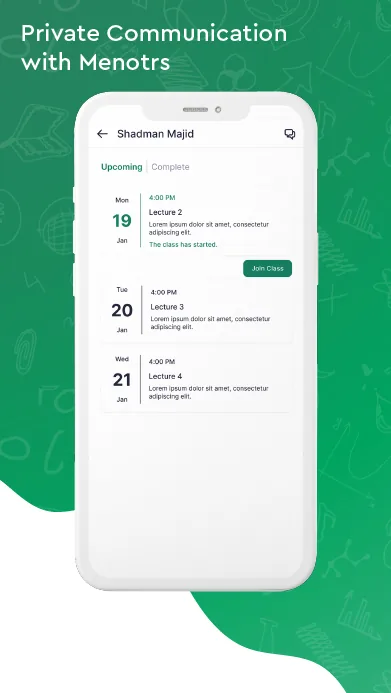
In 2022 the Android app passed 10,000 downloads and an iOS app followed. HolonIQ named Sohopathi in its 2022 South Asia EdTech 100.
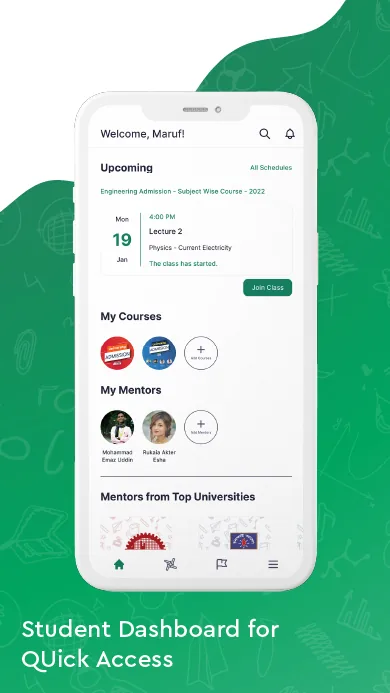
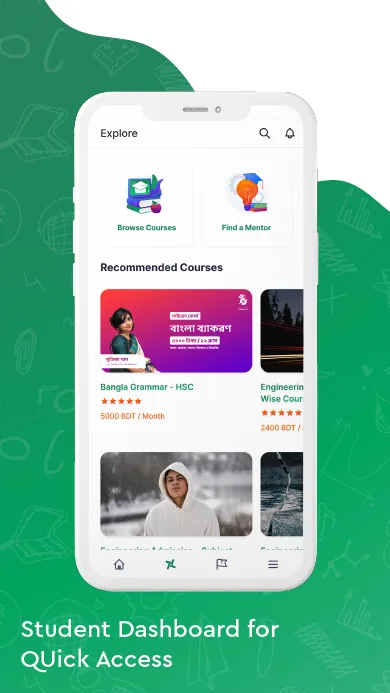
By February 2023 sohopathi.io listed 800,000+ learners and teachers, 140+ active teachers and a 4.6 rating on Google Play.
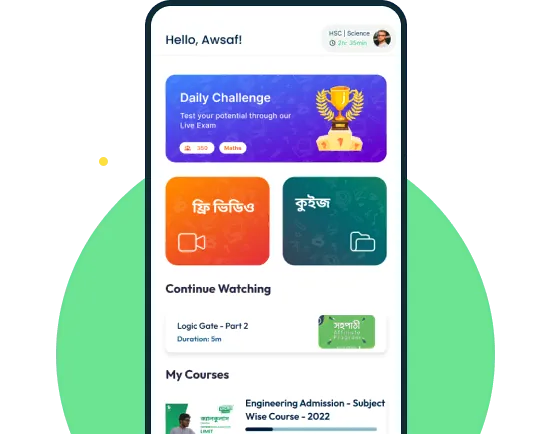
I didn't drive that growth. The founders, the teachers and the rest of the team did. My part was narrower, and that's the next section.
What a founding engineer actually owns
On paper my role fits in one sentence: design the backend architecture for the web and mobile apps, define the API specifications, lead backend development.
At that stage, it means you own the decisions everyone else builds on.
The API is the contract. When a web app and a mobile app share one backend, they can only be as consistent as the API between them. If the spec is vague, each client fills the gaps its own way, and you pay for it later in bugs that look like front-end bugs.
The architecture outlives the first version. In two and a half years the product went from Q&A to courses, then payments, then live classes, then two app stores. Features come and go. The structure underneath them mostly stays. You can't predict the features, but you can make them cheap to add.
You also own "not yet." There's always a cleverer design on the table. Pick the one that ships this month and doesn't block next year.
The first version is what users see. The foundation is what every later version gets built on, and that's the founding engineer's real output.
Takeaways
For founders:
- Start with the community. You can hire people to write software. You can't hire trust.
- Find what people already pay for when a person does it by hand. Then make it self-serve.
- Ship something real in weeks. Our first web app was live a month after I joined.
For early engineers:
- Treat the API spec as product work. Web and mobile both live with it for years.
- Be clear about credit. Know what you owned, say it plainly, and say "we" for the rest.
The full timeline, with every source and more screenshots, is on the Sohopathi case study.